What conditions can electrolysis help with?
Hirsuitsm
Polyendocrine Metabolic Ovarian Syndrome (PMOS) Formely PCOS
According to Harvard Health hirsutism is excessive hair growth in certain areas of a person’s face and body, such as the mustache and beard area. People normally can have fine, pale, faintly visible hair in these areas, but heavy hair growth with coarse or colored hair is not expected. Temporary solutions like shaving can cause issues such as razor burn and ingrown hairs, while methods like waxing, plucking, or tweezing may also lead to ingrowns and can even stimulate further hair growth.
What Causes hirsuitsm?
PMOS and other medical conditions can cause of high levels of androgens and testosterone. Excess androgen levels can result from certain medications, including specific progestins found in some birth control pills and anabolic steroids that either contain androgens or mimic their effects. Other medications may indirectly prompt the body to produce more androgen hormones. These can include drugs used to treat nausea, schizophrenia, agitation, seizures, migraines, bipolar disorder, aggression, and high blood pressure, as well as some estrogen-based and opioid medications.
Paradoxical Hypertrichosis
Paradoxical hypertrichosis is a rare side effect of laser hair removal and intense pulsed light (IPL) treatments. Instead of reducing hair growth, it can stimulate the development of thicker, coarser, or darker hair in the treated area.
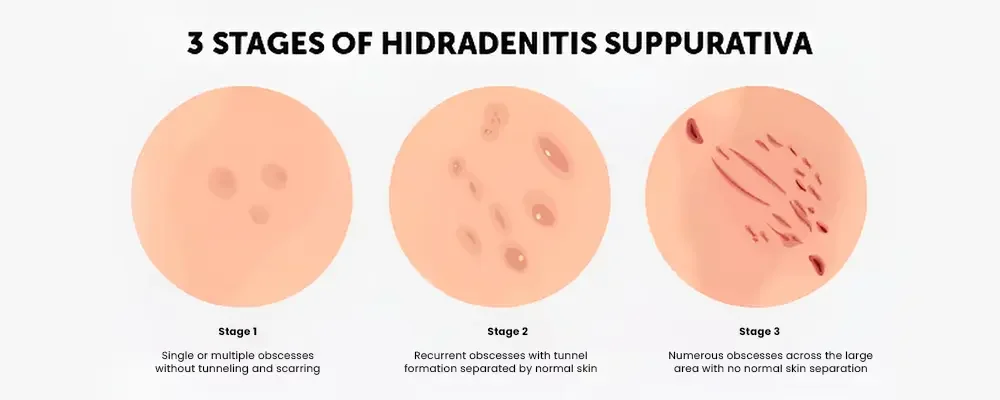
Hidradenitus Suppurativa
Hidradenitis suppurativa (HS) is a chronic inflammatory skin disease that causes painful lumps that many people describe as boils, cysts, or abscesses. These areas most often develop in places where skin rubs together, such as the underarms, groin, under the breasts, or buttocks.
HS is sometimes mistaken for recurrent boils, ingrown hairs, or infections, but it is a long‑term inflammatory condition involving the immune system.
Electrolysis can help manage Hidradenitis Suppurativa (HS) by permanently destroying hair follicles, reducing the follicular blockage, skin friction, and bacterial buildup that contribute to painful flare-ups. As a permanent, FDA-approved solution, it also removes the need for potentially irritating methods like shaving or waxing in sensitive areas such as the underarms and groin.